AI in customer service: where it helps and where it must hand over
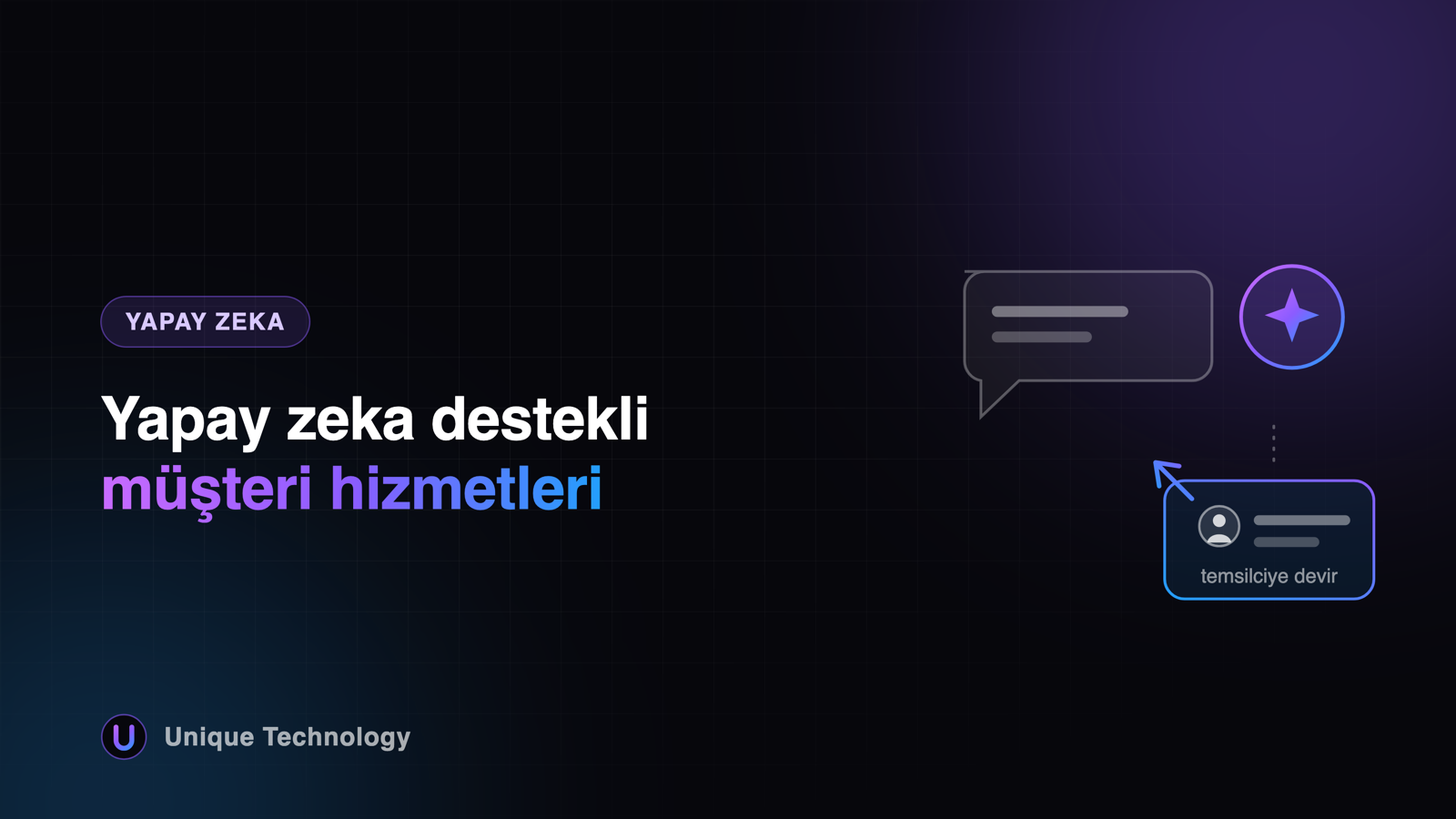
Most AI customer service projects begin with “let’s auto-close 70% of tickets” and end with lower satisfaction. The problem is the goal, not the technology. The right target is not tickets closed but time to resolution — and shortening that sometimes means handing over to a human.
Split requests into three types
- Information: “Where is my order?”, “How long is the return window?” Fully automatable; the answer comes from data or documents.
- Transactions: Changing an address, starting a return, rescheduling. Automatable, but needs authentication, permissions and an undo path.
- Judgement: Complaints, exception requests, cancellation negotiations, damaged goods. These go to a human; automation’s job here is to prepare the agent, not to shorten the conversation.
Handover rules must be written down
Hand over immediately when the customer repeats themselves, expresses frustration, when money or cancellation is involved, when legal language appears, or when the system says “I could not find that” twice in a row. Pass a summary of the conversation to the agent — if the customer has to start over, automation has produced harm rather than help.
Limit the scope explicitly
The assistant should stay inside order and product topics. Politely declining an out-of-scope question beats a well-meaning invention. It must not negotiate prices, promise exceptions or make commitments it has no authority for. Write these limits out one by one in the system instructions.
Authentication and privacy
Verify identity before sharing order details, addresses or invoices. If transcripts are retained, define the period and mask card and identity numbers automatically. Tell the customer they are talking to an assistant; hiding it feels smoother briefly and is the fastest route to lost trust.
Internal use is often more profitable
Putting AI next to the agent rather than in front of the customer usually returns more at lower risk: conversation summaries, suggested replies, retrieving the relevant procedure, writing the wrap-up note. Nothing reaches the customer without agent approval, so the cost of error is low.
Measurement
Automation rate alone is misleading. Pair it with first-contact resolution, reopen rate after handover, average resolution time and satisfaction on handed-over conversations. If automation rate and reopen rate rise together, the system is deferring requests rather than resolving them.