Lead capture on a B2B site: design a decision path, not a form
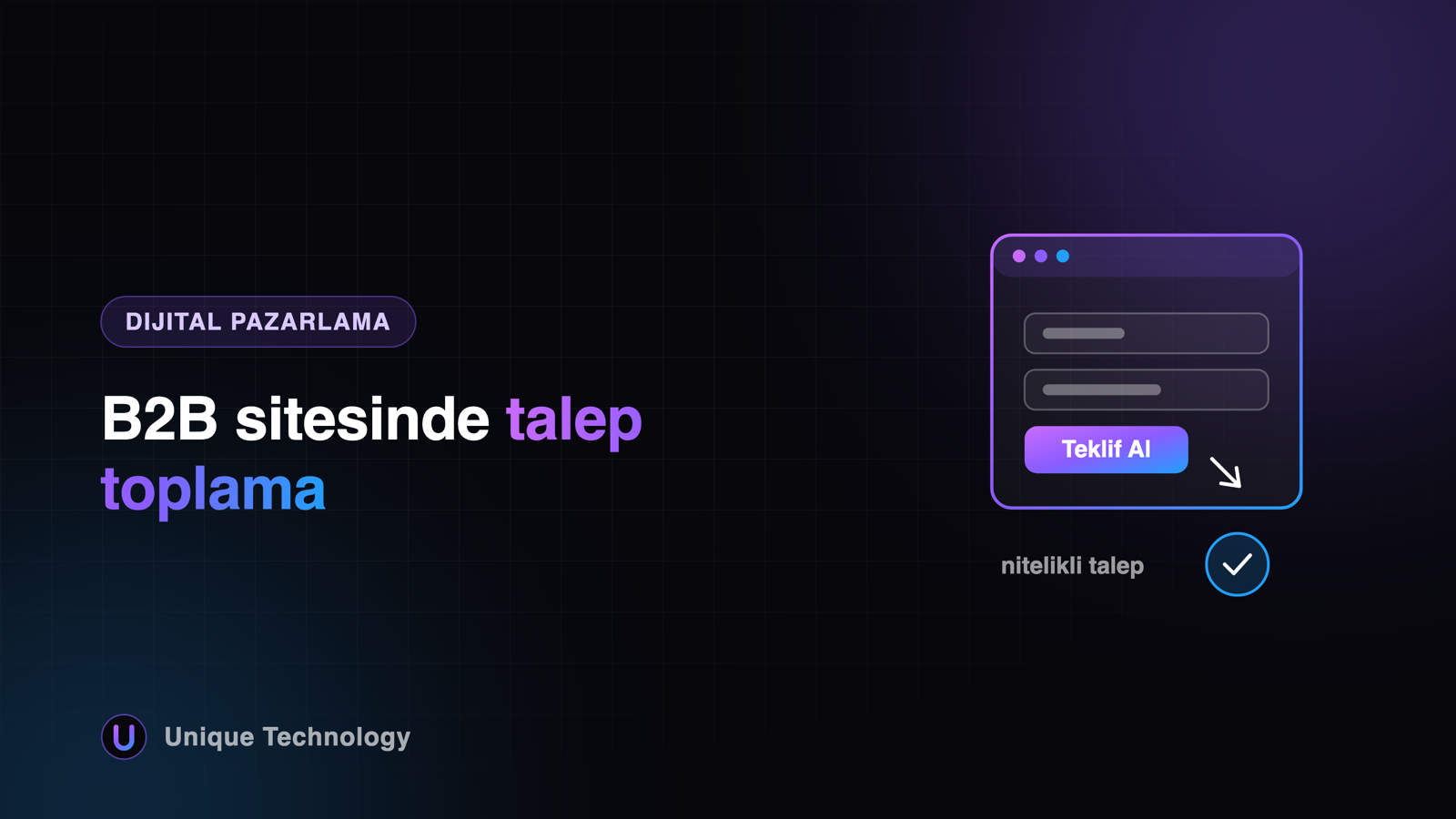
Conversion discussions on B2B sites usually start with the form: “fewer fields, more leads”. But a corporate buyer answers three questions first: have they done my kind of work before, what will it cost me, and what do I lose if I choose wrong? If the page does not answer those, cutting the form to three fields only brings more unqualified requests.
Order your proof correctly
For corporate buyers the hierarchy of proof is clear: work delivered at similar scale in a similar sector > numeric outcomes > client names > technology lists. Most sites invert it — technology logos on the homepage, case studies three menus deep. Showing a visitor work from their own sector on the first screen is the single strongest improvement available.
Do not leave price entirely blank
“Pricing depends on scope” is true but resolves nothing and raises the threshold for asking. You can give a range without a number: typical project duration, the factors that drive scope, which items increase cost. This filters out unqualified requests and moves serious buyers forward.
It is not form length, it is form type
Short forms bring volume, long forms bring quality. The right choice depends on capacity: if sales can hold forty meetings a week, the long form is correct. A practical middle ground is a two-step form — name, company and email first, optional detail on the second screen. The lead is captured the moment step one completes.
Ask the right qualifying question
Asking for budget early is off-putting. Questions that reveal scope and urgency meet less resistance:
- How do you run this today? (current solution)
- How many people will use it? (scale)
- When does it need to be live? (urgency)
- Which systems must it talk to? (integration)
Response time is a marketing metric
In B2B the first vendor to reply gains a real advantage. Improving the form and replying two days later gives back everything you gained. An automatic acknowledgement is the minimum; the difference is made by human contact within the same business day. Track response time weekly and keep it visible to sales.
What to measure
Raw form count is misleading. Three metrics matter: qualified lead rate, time to first response, and lead-to-proposal conversion — split by traffic source, because paid and referral leads are not the same quality and that split should drive your budget.